

How Aging Affects Your Spine and What You Can Do About It
- Updated on: Jul 24, 2026
- 4 min Read

Nobody warns you about your spine. You hear plenty about wrinkles and gray hair as the years go by, but the quiet changes happening inside your neck rarely make the conversation. Then one morning you turn your head to check your blind spot, feel a weird catch, and suddenly you’re Googling “why does my neck hurt for no reason.” Sound familiar? You’re not alone, and you’re definitely not broken.
Your cervical spine is simply doing what every part of your body does over time: aging. Understanding what’s happening can help you manage it, and in many cases, keep it from getting worse.
ADVERTISEMENT
ADVERTISEMENT
A Quick Look at the Cervical Spine
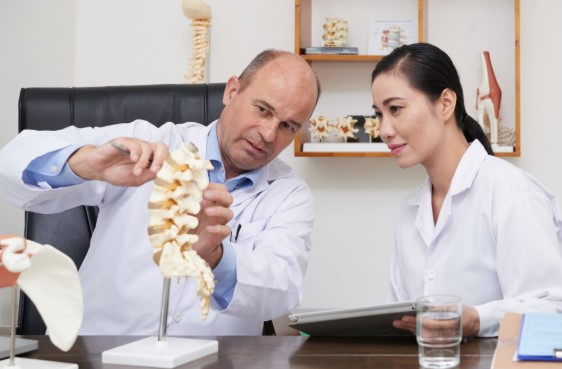
It’s the neck portion of your spine, made up of seven small vertebrae stacked from the base of your skull down to your upper back, labeled C1 through C7. The top two, called the atlas and the axis, are shaped differently from the rest and exist specifically to let your head nod and rotate. The remaining five work more like the rest of your spine, separated by discs that cushion movement and absorb shock.
What makes this region unique is the job it has to do: it supports the full weight of your head, roughly ten to twelve pounds, while still allowing more range of motion than any other part of the spine. That combination of load-bearing and flexibility is exactly why the neck tends to show wear earlier and more noticeably than other regions as the years add up.
Why the Cervical Spine Changes as You Get Older
The discs between your cervical vertebrae are made mostly of water and collagen, and as you age, they naturally lose hydration and elasticity. This is a normal part of getting older, not a sign that something has gone terribly wrong. As the discs in the neck age, they lose height, begin to bulge slightly, and lose some of their water content, which causes the disc spaces to settle over time.
As cervical discs lose height and flexibility, a few other things tend to happen. The space between vertebrae can narrow, the small facet joints that let your neck rotate may develop arthritis-like changes, and bone spurs can form as the body tries to stabilize the area. Collectively, this age-related wear and tear in the neck is known as cervical spondylosis. None of it happens overnight, it’s a gradual process that plays out over decades, and for most people it causes little more than occasional stiffness rather than serious pain.
How Common Is Cervical Spondylosis, Really?
According to OrthoInfo, the patient education resource from the American Academy of Orthopaedic Surgeons, more than 85 percent of people over the age of 60 are affected by cervical spondylosis. This isn’t a rare condition reserved for a few unlucky people, it’s closer to a universal experience of getting older.
Most people with cervical spondylosis have no symptoms at all, and among those who do, the condition usually responds well to conservative treatment like physical therapy and medication.
Common Cervical Symptoms Worth Knowing
Because the cervical spine houses nerves that run down into your shoulders, arms, and hands, age-related changes in the neck don’t always stay confined to the neck itself. Common symptoms include stiffness when turning your head, a dull ache at the base of the skull, and occasional tingling or numbness radiating into the arms when a nerve root gets irritated. Headaches that start at the back of the head are also frequently traced back to cervical tension.
Most of these symptoms come and go and respond well to rest, movement, and time. The ones worth paying closer attention to are symptoms that persist, worsen, or come with noticeable weakness in the hands or arms, since those can point to nerve compression rather than ordinary wear.
Understanding Surgical Options for New Jersey Patients
In New Jersey, patients whose cervical symptoms are caused by a pinched nerve or spinal cord compression sometimes end up exploring cervical spine surgery in NJ as a treatment path once nonsurgical options haven’t provided lasting relief. This kind of procedure is generally reserved for cases where imaging confirms structural nerve compression in the cervical spine and conservative treatment has not relieved symptoms after a reasonable trial period.
As Dr. Michael Gerling explains, surgery is typically considered only after a thorough evaluation confirms that nonsurgical treatments are unlikely to provide sufficient relief. The decision to move forward is always based on an individual’s diagnosis, symptoms, and overall health rather than simply how long they have been experiencing pain. It’s one option among several a spine specialist may discuss, and the decision to move forward with surgery is based on individual diagnosis rather than the length of time someone has had symptoms.
The Neck and Lower Back Age a Little Differently
While the whole spine ages together, the cervical spine tends to show wear differently than the lumbar spine (lower back) because of how much it moves. The neck is remarkably flexible, which is exactly why it’s also vulnerable; years of looking down at phones, screens, and steering wheels add repetitive strain that speeds up cervical disc wear.
The lower back, by contrast, carries the bulk of your body weight and tends to show height loss and stiffness earlier in life for many people. Either way, both regions are simply responding to decades of use.
When Neck Pain Needs More Than Home Care
For most people, age-related cervical changes stay manageable with the everyday habits above, along with occasional physical therapy or short courses of medication. But for a smaller group, nerve compression in the cervical spine causes symptoms that go beyond stiffness, things like persistent arm pain, numbness, or noticeable weakness that doesn’t improve with conservative care.
In those cases, a spine specialist can evaluate imaging and determine what the realistic range of treatment options looks like.
Final Thought
An aging cervical spine is simply part of being human. Discs lose some hydration, joints go through natural wear and tear, and the neck that once turned effortlessly might need a little more warming up than it used to. But that doesn’t have to mean a painful or limited life. With consistent movement, good posture habits, and attention to your body’s signals, most people manage these changes comfortably for decades.
And if symptoms ever go beyond what home care can handle, specialists are there to help you figure out the right next step. Listen to your neck, stay active, and don’t be afraid to ask for help when you need it. Your cervical spine has carried the weight of your world this far, and with a little care, it can keep carrying you for many more years to come.
Share this article



Latest Posts





ADVERTISEMENT