


How to Improve Indoor Air Quality at Home: A Practical, Evidence-Based Guide
- Updated on: Oct 20, 2026
- 4 min Read
- Published on Oct 20, 2026
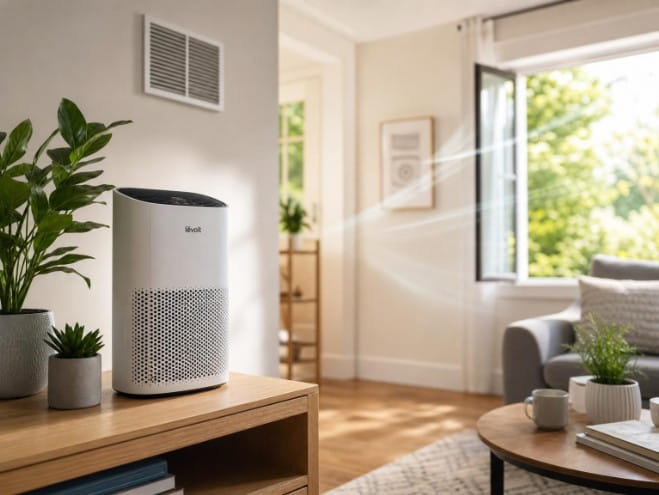
Indoor air is rarely as clean as it looks. Cooking, cleaning products, combustion appliances, building materials, pets, moisture, and even outdoor pollution drifting in through doors and windows all add particles and gases that build up inside a home. Improving indoor air quality is seldom a one-step fix—it usually takes a combination of habits, maintenance, and equipment working in tandem. A portable air purifier can supplement broader measures like removing pollution sources and improving ventilation, but it’s one tool among several, not a complete solution on its own. This guide lays out a neutral, practical framework for taking proportionate steps toward healthier indoor spaces.
Understand the Main Sources of Indoor Air Pollution
Indoor air pollution refers to the particles and gases that accumulate inside buildings, sometimes reaching levels higher than what’s found outdoors. Common categories include particles (dust, smoke, pollen, fine particulate matter), gases and vapors (volatile organic compounds from paints, adhesives, or fragranced products), biological contaminants (mold spores, bacteria, pet dander), and combustion byproducts from gas stoves, fireplaces, candles, or tobacco smoke. Levels shift depending on the room, the activity underway, ventilation, and outdoor conditions—so a home that looks spotless doesn’t necessarily have good air quality. Persistent odors, condensation on windows, visible mold, frequent smoke exposure, or symptoms that ease up once you leave a building are all signals worth paying attention to. Different pollutants call for different control strategies, and guidance from organizations such as the U.S. Environmental Protection Agency can help clarify which approach fits which problem.
ADVERTISEMENT
ADVERTISEMENT
Start With Source Control
Source control—identifying and reducing pollutants at their origin—is generally the most effective first step you can take. Practical measures include keeping tobacco smoke and vaping aerosols outside, running kitchen and bathroom exhaust fans during cooking and showering, fixing leaks promptly, storing solvents and fuels properly, and maintaining fuel-burning appliances according to professional guidance. Entry mats and regular cleaning cut down on dust tracked in from outside.
First step: Find and reduce the source before choosing an air-cleaning strategy.
Improve Ventilation Safely
Ventilation dilutes indoor pollutants by swapping indoor air for outdoor air. Opening windows, running exhaust fans vented to the outside, and maintaining mechanical ventilation systems all help—provided outdoor air quality, weather, and security allow it. Ventilation isn’t always the right move, though: wildfire smoke, heavy outdoor pollution, or extreme humidity can make it counterproductive. It’s also worth noting that ventilation is different from simply circulating indoor air with a fan, which just moves existing air around rather than replacing it. Building codes and standards from groups like ASHRAE offer a useful baseline, though individual homes may still need a tailored evaluation.
Use Filtration as a Supplement
Filtration reduces some airborne particles but doesn’t address every pollutant in the air. Options range from portable room units to filters built into central HVAC systems. Which one makes sense depends on room size, airflow capacity, clean air delivery rate, and particle-filtration efficiency. Activated carbon can help with certain odors and gases, but its capacity is limited. Noise, energy use, and replacement costs are all worth factoring in as well. Devices that generate ozone deserve particular caution and should carry independent safety certification before you consider one.
What filtration can and cannot do:
Can reduce some airborne particles when appropriately sized and operated.
May help with selected odors or gases when suitable sorbent media are present.
Cannot reliably replace source control, moisture repair, ventilation, or carbon-monoxide safety measures.
Maintain HVAC Systems and Filters
Central HVAC filtration cuts down on recirculated particles, but how well it performs depends on both filter efficiency and actual airflow. A filter that’s too restrictive for the system can strain the equipment or reduce airflow rather than improve it. One household might upgrade to a high-efficiency filter expecting noticeably cleaner air, only to find dust lingering because the filter doesn’t seal tightly in its slot—fixing that bypass often does more good than buying an even stronger filter. Routine maintenance means replacing filters based on their actual condition, keeping vents clear, and calling in a professional when airflow or moisture problems don’t let up.
Address Moisture, Mold, and Combustion Risks
Moisture control prevents mold growth and protects building materials from damage. Repair leaks, improve exhaust ventilation, and manage indoor humidity with the right equipment. Extensive or hidden mold should be assessed by qualified professionals—an air cleaner can’t remove the underlying moisture source causing it. Carbon-monoxide alarms should be installed and maintained according to local requirements, and fuel-burning appliances should only be used as intended. If an alarm goes off, treat it as an urgent safety issue every time, and don’t dismiss persistent symptoms without a medical evaluation.
Build a Room-by-Room Indoor Air Quality Routine
- Kitchen: Use outdoor-vented exhaust during cooking.
- Bathroom: Run exhaust during and after bathing.
- Bedroom: Reduce dust reservoirs and maintain ventilation.
- Basement/utility area: Check for dampness and combustion sources.
- Living areas: Limit tracked-in dust and indoor smoke.
Focus first on rooms where pollutants originate or where people spend the most time, and jot down recurring odors or moisture issues before making any changes.
Evaluate Whether Changes Are Working
Measure improvement against a clearly defined problem: less visible dust, reduced condensation, or better airflow, for example. Low-cost monitors can reveal useful trends, but they won’t diagnose every issue on their own. Where practical, change one variable at a time so you can tell what’s actually making a difference. Bring in professional help for persistent mold, suspected combustion problems, unexplained symptoms tied to a building, or HVAC issues that go beyond basic troubleshooting.
Practical Takeaways for Healthier Indoor Air
The most reliable approach follows a hierarchy: control the source, ventilate with clean outdoor air when conditions allow, use filtration to supplement those measures, and maintain equipment while keeping an eye on persistent problems. No single device or habit will resolve every indoor-air-quality concern on its own. Start small: pick one room, figure out its most likely pollutant source, and take the simplest effective step first.
Share this article



Latest Posts





ADVERTISEMENT