



Personalized Weight Management Is Becoming More Accessible Than Ever
- Updated on: Aug 1, 2026
- 5 min Read

Neha Mittal completed graduation in Biotechnology from Graphics Era University, Dehradun and Masters in Biotechnology from Amity University, Noida. In the past, she worked with Sharon Biomedicine Ltd., DUKES Products Ltd., and Forest Research Institute, Dehradun as researcher in biotechnology.
- Published on Aug 1, 2026
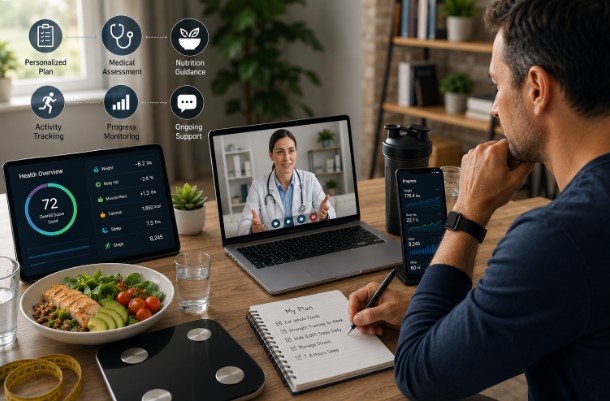
It’s very easy to lose weight and follow the latest diet trend. Weight management is an intimate matter and each person has a different metabolism, lifestyle, medical history and genes. In the digital era of healthcare and personalised medicine, customised weight management options are more readily available than ever.
People are now able to get customized plans according to their health goals, biomarkers, and continuous progress instead of getting generic advice. This change is helping people to get sustainable outcomes and at the same time uplifting their overall well-being.
ADVERTISEMENT
ADVERTISEMENT
Why traditional weight loss methods don’t necessarily work.
The majority of the traditional weight loss plans are developed for the average person and not the individual. These methods will work for some, but not for others, due to the way their bodies respond to food, exercise, stress and hormonal changes.
Body weight can vary depending on a number of factors:
- Genetics
- Hormonal balance
- Sleep quality
- Physical activity
- Age
- Chronic health conditions
- Stress levels
- Dietary habits
These factors can differ greatly among individuals and with personalization becoming a preferred method of healthcare, long-term weight management is becoming a preferred option.
The rise of personalized healthcare.The rise of personalized healthcare.
The healthcare system is going far beyond reactive treatment to preventive and personalized care. By proactively assessing potential risks and offering tailored interventions before issues arise, the EBM approach can help prevent future problems and optimize health.
The focus on personalized healthcare is what is driving many to seek out longevity direct, as it integrates medical knowledge, laboratory testing, lifestyle advice and ongoing monitoring. This enables treatment plans to adapt and change over time according to changing individual needs.
Rather than a “one size fits all” approach, patients are given guidance based on their individual health profile.
Digital Medicine is Shaping the Future of Access to Medicines
One of the most significant transformations that have taken place in the past few years is the booming telemedicine sector. Individuals don’t have to make lengthy trips to specialists or wait months for appointments.
There are a number of benefits to digital health:
- Convenient virtual consultations
- Personalized treatment plans
- Secure follow-up appointments
- Remote progress tracking
- More convenient access to health care providers
Patients receive improved care continuity and more seamless care.
The services are particularly useful for those in rural areas or with busy work schedules.
Identify the science behind weight regulation.
The control of body weight is a result of an interplay of biological systems, not just the will. Hunger and fullness, energy expenditure, and blood sugar levels are controlled by hormones.
The hormones in question are important as follows:
- Insulin
- Leptin
- Ghrelin
- GLP-1
- GIP
- Cortisol
When they are out of balance, it’s much harder to keep a healthy weight. Personalized healthcare is about learning about these biological factors beforehand, so as to recommend suitable interventions.
Personalized Nutrition Makes a Difference
There have been some major shifts in nutrition guidelines in the past decade. Healthcare professionals are no longer talking about a one-size-fits-all diet, but rather healthy eating habits for each individual.
Consideration could be given to:Personalised nutrition may include:
- Daily calorie needs
- Food preferences
- Medical conditions
- Blood sugar control
- Physical activity levels
- Nutrient deficiencies
- Digestive health
It’s a very versatile plan and not as rigid as a very strict diet plan.
You can apply a number of lifestyle coaching guides for long-term success.
Good weight management is a combination of diet and lifestyle. To be successful, habits need to be developed which are followed for many years.
The coaching for lifestyle can include advice on:
- Sleep improvement
- Stress management
- Physical activity
- Meal planning
- Behavioral changes
- Accountability
- Goal setting
These combine to promote progressive and sustainable weight loss, instead of quick, short-lived weight loss.
There are new treatment options that are opening up.
In the field of medicine there are a number of new treatments that have been developed which can help to control weight. These treatments are to be used in conjunction with healthy lifestyle, not as a substitute.
One of the primary areas of interest is GLP-1 receptor agonists and GIP receptor agonists, which have been shown to be effective in clinical trials in certain people.
The need for customised weight administration choices is growing, and an growing variety of people are looking into Microdising tirzepatide for weight loss.These therapies are still being evaluated and there is growing interest in individualized approaches to weight loss, such as Microdosing tirzepatide. All medicines must be viewed in the context of the potential benefits, harms and personal health needs, and administered under competent medical supervision.
The results are improved with continuous monitoring.
A primary benefit of customized care is that it is monitored. Progress is monitored and recommendations made and adjusted as necessary, not for months.
Monitoring may include:
- Weight changes
- Body composition
- Blood pressure
- Blood glucose
- Physical activity
- Nutritional intake
- Sleep quality
- Laboratory markers
Ongoing monitoring enables health care professionals to make informed changes as early as possible and ensure success.
With the advent of new technologies, patient care is changing.New technology is transforming patient care.
The digital health technology has transformed the way people manage their weight.
Common tools include:
- Mobile health apps
- Wearable fitness devices
- Smart scales
- Continuous glucose monitoring
- Food tracking platforms
- Virtual coaching
- Online patient portals
These technologies offer patients and clinicians valuable insights that can help them make informed choices throughout the weight management journey.
The Redefining the conversation about preventive healthcare.
Until recently, many people would only seek medical attention once they had complications related to obesity. In today’s world, the emphasis on preventive healthcare promotes earlier intervention before chronic disease conditions become more challenging to manage.
Keeping a healthy weight could help prevent the following:
- Type 2 diabetes
- High blood pressure
- Cardiovascular disease
- Sleep apnea
- Joint problems
- Fatty liver disease
- Metabolic syndrome
Early intervention can enhance quality of life and long-term health.
The personalization of weight management in the future.
The trend of personalized medicine in healthcare is continuing. Attention is now shifting to the possibility of further enhancing personalized care through the use of genetics, microbiome analysis, wearable technology, artificial intelligence and more sophisticated laboratory testing.
In the future, weight management treatment plans could be even more specific, combining multiple health data sources into personalized weight management programs.
Doctors and other health professionals are increasingly moving beyond the scale and towards the broader picture of health, longevity and sustainable life changes.
Selecting a Healthcare Partner
Choosing a trusted health care professional is crucial for personalized weight management.
- Look for providers that offer:
- Licensed medical professionals
- Evidence-based treatment plans
- Comprehensive health evaluations
- Personalized recommendations
- Ongoing monitoring
- Transparent communication
- Individualized lifestyle support
A trustworthy provider who is thinking long term with regard to health and wellness and not just a quick and easy fix or a dream of an ideal promise.
Conclusion
Individual weight management is helping individuals lead healthier lives, no matter their background. As digital health, personalised nutrition, lifestyle advice and evidence-based medical interventions are evolving, so too are the traditional “one size fits all” weight loss strategies.New technologies in healthcare, personalised nutrition, lifestyle coaching, and evidence-based medicine are changing the way patients are advised to lose weight, from a one-size-fits-all approach to a more personalised one.
The future of personalized healthcare looks promising as technology and medical research progress, enabling people to achieve optimal metabolic function, maintain a healthy body weight, and support their overall health and wellness by implementing sustainable, scientifically-backed methods.
Frequently Asked Questions
What is personalized weight management?
Personalized weight management is based on a person’s health history, lifestyle, medical evaluation and personal goals to develop a treatment plan tailored to the individual.
Does digital weight management work?
When used alongside expert medical advice, follow-up and ongoing lifestyle modifications, virtual healthcare can be effective.
Who can benefit from personalized weight management?
Personalized programs can be beneficial for adults who are looking to achieve sustainable weight loss, health improvements or preventive care.
Is it always essential to use medicine?
No. Most people can make good progress by making lifestyle changes, exercising, nutrition and behavioral coaching. For some some medication may be warranted upon medical evaluation.
Why is it a need to monitor things constantly?
The regular monitoring allows healthcare providers to evaluate progress, determine barriers and adjust treatment to ensure sustainable and safe outcomes in the longer term.
Share this article



Latest Posts





ADVERTISEMENT