

What Causes Viral & Bacterial Infections, and How Do They Spread?
- Updated on: Aug 23, 2026
- 5 min Read

Dr. Rafia Usman is a distinguished medical professional with a Bachelor of Medicine, Bachelor of Surgery (MBBS) degree, with a focus on infectious diseases and lifestyle-related conditions such as diabetes. With an experience in both hospital and clinical settings, Dr. Usman has dedicated her career to the diagnosis, treatment, and management of a wide range of infectious diseases and lifestyle disorders, emphasizing patient education and preventive care.
- Published on Aug 23, 2026
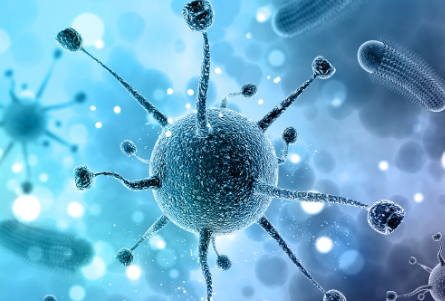
“Virus” and “bacteria” are often used interchangeably, but they are different organisms requiring entirely different treatment. Which one is present affects how an illness is managed and how it is passed on.
What Are Viral & Bacterial Infections?
Viruses are incapable of self-replication. A virus is a particle composed of genes, or DNA, surrounded by a protein coat that must enter a host cell and utilize the cell’s machinery for the purpose of replication. Rhinoviruses are the most common cause of the common cold, and about 25% of colds are still not known to have a viral cause.
ADVERTISEMENT
ADVERTISEMENT
Bacteria reproduce independently. The majority of them do not harm or benefit; only a few are disease-producing, such as strep throat, UTIs, bacterial pneumonia, etc., by invading tissues to which they do not belong.
This is important clinically, as antibiotics are effective against bacteria, but not viruses, so treating viral diseases with antibiotics is not helpful. In fact, antimicrobial resistance is currently a significant burden; it was estimated to cause 4.95 million deaths in 2019, of which 1.27 million were caused directly by resistant infections, according to a global systematic analysis.
How Viral and Bacterial Infections Spread
Understanding how viral and bacterial infections spread is what makes prevention possible. The organisms differ, but several routes are shared.
Respiratory Droplets and Airborne Particles
Droplets containing the virus can spread to the mouths or noses of people nearby when they cough, sneeze, or talk, or when they inhale droplets from the air. Other pathogens are more far-reaching. In one outbreak in a clinic, three children were diagnosed with measles after having been infected in the room used by the source patient, and one child was diagnosed an hour after the source patient left the clinic, indicating measles can be transmitted via small particles that remain in the air.
Direct Contact and Contaminated Surfaces
Impetigo, MRSA, and herpes simplex are contagious via skin-to-skin contact. Indirect contact also plays a role: in one controlled study, half of those who handled a contaminated cup of coffee touched their nose or their eyes and later became infected with rhinovirus.4 A systematic review identified numerous clinically relevant bacteria, such as Staphylococcus aureus and Escherichia coli, that can survive on dry surfaces for months, as well as several respiratory viruses that survive for days.
Food and Water
This balance is often confused. According to a big U.S. study, 31 pathogens are responsible for 9.4 million annual cases of foodborne illness in the U.S. The main causes of these were norovirus (58%) and non-typhoidal Salmonella (11%), with norovirus causing the majority of hospitalisations and deaths due to Salmonella.
Blood, Body Fluids and Vectors
Hepatitis B and HIV are transmitted through blood and sexual intercourse, and hepatitis C is the most common blood-borne disease. Both bacterial and viral diseases are transmitted by vectors: Lyme disease is bacterial and transmitted by ticks, dengue and West Nile virus are viral and transmitted by mosquitoes.
Transmission Before Symptom Onset
Influenza viral shedding increases rapidly after infection and peaks on day 2, then decreases over the next 4.8 days in pooled volunteer challenge studies, suggesting that viral shedding may start at this time, before the person feels ill.
Symptoms: Overlap and Differences
Overlap is considerable. Both have fever, fatigue, myalgia, and headache, with fever being a reaction to the immune system and not the pathogen. There are some patterns that are suggestive, but none are diagnostic by themselves.
In experimental and natural colds, total symptom severity scores peak between days 2 and 3 of illness and then gradually diminish.8 whereas the Infectious Diseases Society of America (IDSA) suggests signs that increase the likelihood of acute bacterial rhinosinusitis: continued symptoms for 10 days or more without improvement; severe symptoms with fever (39°C / 102°F) or increased nasal discharge and facial pain for 3-4 consecutive days; and new fever, headache or increased nasal discharge following viral upper respiratory infection that had been improving a pattern known as “double sickening”.
These are decision support aids for the clinician and not for the patient to use for self-diagnosis. Rapid antigen testing and throat culture are out there for a reason; the two forms of pharyngitis (strep and viral) can’t be reliably distinguished on appearance.
How Viral & Bacterial Infections Are Diagnosed
Diagnosis involves a specific examination plus specific testing. Rapid antigen tests of group A streptococcus, influenza, and SARS-CoV-2 provide quicker results in a matter of minutes, while cultures detect the organism and determine antibiotic susceptibility. Blood counts and inflammatory markers may help with a bacterial diagnosis; urinalysis will yield a positive culture if there is a UTI, and imaging will be used if pneumonia is suspected. Walk-in and urgent care services treating viral and bacterial infections can typically carry out this point-of-care testing and begin treatment within a single visit.
Treatment is supportive for most viral infections, with antiviral medications being used for select viruses and most effective when initiated early. Specific antibiotics may be indicated for bacterial infections. For group A streptococcal pharyngitis, roughly 90% of patients were culture-negative following 24 hours of proper treatment. In a meta-analysis of the various studies, the authors point out methodological drawbacks in the various studies.
Prevention
The following transmission routes lead to Prevention.
- Hand hygiene. A Cochrane review of physical interventions in 2023 found that hand hygiene programmes may have a modest effect in reducing the burden of respiratory illness, but had a high risk of bias and variability in adherence.
- Vaccination. Vaccines stop people from getting sick and needing antibiotics; prevention decreases the need for antibiotics.
- Food safety. Reducing foodborne exposure occurs when cooking to recommended internal temperatures, washing produce, and separating raw from ready-to-eat foods is done.
Don’t share hygiene products like towels, drinking cups, or razors.
- Stay home when unwell, particularly in the first days of illness; influenza shedding peaks on day 2.
- Use antibiotics only when prescribed, and follow the prescribed duration.
When to Seek Medical Assessment
Most simple viral diseases will pass without treatment. Assessment should be considered for:
- High fever (39°C or above, or fever that lasts more than a day or two), especially if it is continuing
- Shortness of breath, chest pain, or difficulty breathing
- Symptoms that get better and then worse.
- Severe sore throat with difficulty swallowing
- A spreading skin infection, persistent vomiting or symptoms of dehydration
- Fever with severe headache or neck stiffness (rigidity)
- Symptoms persisting beyond ten days without improvement
Certain groups (infants, older adults, pregnant patients, and immunocompromised patients) should be evaluated earlier. Chest Pain, extreme difficulty breathing, or changes in mental alertness are considered emergency care situations, whereas the same day but not emergencies are suitable for walk-in and urgent care.
Frequently Asked Questions
When is the person no longer contagious?
This is dependent on the pathogen. The average duration of influenza viral shedding is approximately 4.8 days, and shedding is most likely to occur on day 2 of infection.7 For group A streptococcal pharyngitis, most patients test negative after 24 hours of proper antibiotic treatment.
Is it possible for a virus infection to trigger a bacterial infection?
The virus itself does not turn into a bacterium, but a viral disease can make you more susceptible to a secondary bacterial infection. One of the known signs of acute bacterial rhinosinusitis is the “double sickening” pattern.
Why are antibiotics not used for colds?
Only bacteria can be treated with an antibiotic, and they don’t work against viruses; thus, there is no benefit to taking an antibiotic when you have a viral disease. Unnecessary use also plays a role in the general issue of antimicrobial resistance.
Can both infections occur at the same time?
Yes. Supportive management of the viral component of co-infection may be necessary in addition to antibiotics for the bacterial component. However, with symptoms alone, it is difficult to distinguish between the two, so testing is the best way to tell the difference.
When should symptoms no longer be managed at home?
A likely bacterial infection has a number of criteria and is identified if symptoms do not improve or become worse after improving after 10 days or more.. Breathing difficulty, high fever, or dehydration warrant earlier review.
Conclusion
Viral and bacterial infections have similar symptoms and the same mode of transmission and, although there are preventive steps, they have very different treatment options. However, if symptoms do not improve after initially improving or get worse, the only way to determine which is present is to do a clinical assessment and testing.
Share this article


Latest Posts





ADVERTISEMENT