
What is paraplegia? Definition, causes, and treatment
- Updated on: Jun 3, 2026
- 2 min Read
There are various conditions that impact people’s physical abilities and daily living activities. Paraplegia is one of those conditions that is a type of paralysis. People lose movement and sensation in their lower bodies in paraplegia. This condition happens due to spinal cord injury or neurological disorders. Paraplegia affects motor function, sensory consciousness, and autonomic functions. There is no proper treatment for paraplegia other than rehabilitation and therapy.
This article will help you understand the causes, types, symptoms, and treatments of paraplegia.
ADVERTISEMENT
ADVERTISEMENT
What is paraplegia?
Paraplegia is paralysis that affects mobility in the lower body. Patients with spinal cord injury lose motor and sensory function in the lower extremities and the lower part of the body. People with paraplegia are unable to move their legs, feet, and sometimes their abdomen. Flaccid and spastic are two ways the paralyzed muscles act. In Flaccid, muscles of the lower body do not work at all, while in Spastic, muscles work with some help.
What causes paraplegia?
Trauma
Physical injuries like gunshot wounds, knife injuries, vehicle accidents, falls, sports injuries, and violent incidents damage the spinal cord.
Medical Conditions
Neurological diseases and medical conditions like multiple sclerosis, spinal tumors, severe degeneration, infections of the spine, and spinal cord stroke can cause paraplegia.
Congenital anomalies
Congenital Disorder is a birth defect. In this defect, spinal cord development is affected. Deformities of the vertebrae can compromise the spinal cord and lead to paralysis, as happened in the condition of severe scoliosis.
Types of parapelegia
Complete Paraplegia
This means complete loss of movement and feeling below the injured area. The body may also lose control of important functions, such as bladder and bowel movements, because signals from the spinal cord cannot travel properly.
Incomplete Paraplegia
Some feelings and sensations are present below the level of injury in incomplete paraplegia. However, the control is weaker.
Symptoms and Complications
Respiratory Issues
Patients with paraplegia face breathing difficulty. The muscles used for breathing weaken in this condition, leading to respiratory issues in patients.
Nerve Pain
In paraplegia, nerves like Guillain-Barré syndrome or neuropathy are damaged. That’s why patients experience sudden, sharp, or shooting pain in this condition.
Spasticity
Spasticity is a neuromuscular condition that causes muscle stiffness and tightness. Patients can experience involuntary, repetitive jerky motions or uncontrollable muscle spasms.
Treatment and Management
Rehabilitation and Physical Therapy
Rehabilitation helps people regain mobility after surgery, injury, or an accident. Therapy enhances strength, motor control, range of motion, balance, and transfers. It includes bladder and bowel management plans, pressure‑relief strategies, and programs to reduce blood complications.
Assistive Devices
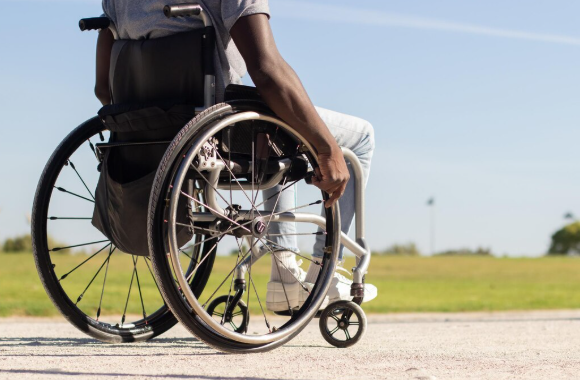
Mobility devices such as a walker, a medical bed, and a wheelchair help patients with paraplegia regain motor function.
Medication
Patients with paraplegia need to take medication to treat pain, prevent pressure ulcers, and control infection. To reduce the risk of other illnesses, patients need regular monitoring and treatment for urinary tract infections.
Psychological Support
A healthy person who has lost their mobility can experience severe mental health issues. To stay positive about their treatment and recovery, they need psychological assistance and therapy from professionals.
Key takeaways
In paraplegia, mobility in the lower half of a person’s body is affected. It can happen due to damage to the brain and spinal cord in a chronic condition or an accident. They require daily care, assistive devices such as wheelchairs, and long-term treatment. There is no cure for paraplegia except physical therapy and medications. These help people regain partial control over the affected areas.
Share this article



Latest Posts




ADVERTISEMENT