



What Radiographers Do Before, During and After Scans
- Updated on: Jul 10, 2026
- 3 min Read

Dr. Rida Maryam is a dedicated medical practitioner with a focus on the management of chronic diseases. Her areas of interests include diabetes and women health. Dr. Maryam’s commitment to her specialty is rooted in a strong academic background and a deep passion for improving delivering quality and passionate care to her patients.
- Published on Jul 10, 2026
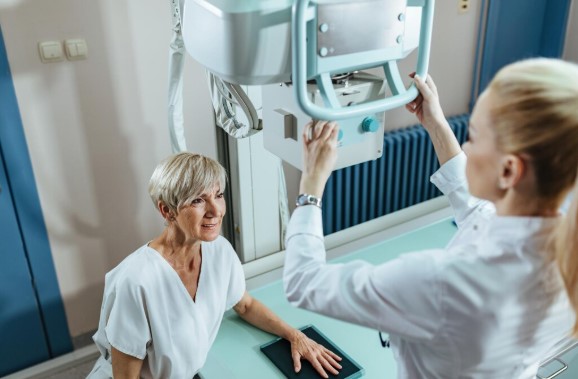
When you attend a medical imaging appointment, the radiographer helps guide you through the scan safely and clearly. Their role is not just to operate the equipment. Before, during and after your scan, they check important details, explain what to expect, support your comfort and make sure the images are suitable for specialist review.
Preparing You Before The Scan
Before your scan begins, the radiographer reviews your referral to confirm why the imaging has been requested and which part of your body needs to be examined. This helps them prepare the correct scan, position you properly and check whether you need to do anything beforehand, such as fasting, drinking water, changing into a gown or removing metal items.
ADVERTISEMENT
ADVERTISEMENT
They will also ask safety questions. These may cover pregnancy, allergies, kidney problems, implanted devices or previous reactions to contrast media. These checks matter because X-rays, CT scans, MRI scans and ultrasound each have different requirements. For a clearer overview, understanding the role of a radiographer can help you see how their work fits into your imaging appointment.
The radiographer will also explain what will happen during the scan. You may be told how long it could take, when to stay still, when to hold your breath or what sensations to expect. This helps you feel more prepared and can improve image quality.
Checking Safety Requirements
Radiographers follow safety steps designed to protect you and others in the imaging area. If your scan uses ionising radiation, such as an X-ray or CT scan, the equipment is adjusted to use an appropriate exposure level while still producing useful images. They may also limit the scanned area or use shielding where suitable.
For an MRI scan, safety checks focus on metal objects and medical implants because an MRI uses a strong magnetic field. You may be asked about pacemakers, cochlear implants, surgical clips, metal fragments or other devices. These details help confirm whether the scan can proceed safely.
Your identity and scan details will also be checked before imaging starts. You may be asked to confirm your name, date of birth and the area being scanned. This standard step helps ensure you receive the correct examination.
Positioning And Guiding You During Scans
During the scan, the radiographer helps position your body so the correct area can be captured clearly. This may involve lying on a table, standing against imaging equipment or adjusting the angle of a limb or joint. Accurate positioning helps the specialist doctor see the area of concern more clearly.
The radiographer then operates the equipment and gives instructions throughout the scan. You may hear directions such as “keep still”, “breathe normally” or “hold your breath”. These instructions matter because movement can blur images and may lead to repeat imaging.
They also monitor how you are coping. If you feel uncomfortable, anxious or unwell, you should tell them. In many cases, they can pause, adjust their position or explain what is happening before continuing.
Managing Contrast When Required
Some scans use contrast media to make certain organs, blood vessels, or tissues easier to see. If contrast is needed, the radiographer may help prepare or administer it according to local clinical procedures. Before this happens, they will check safety details such as allergies, kidney function and previous contrast reactions.
You may feel brief sensations when contrast is given. Some people notice warmth, flushing or a metallic taste, depending on the type used. The radiographer will usually explain these effects, so you know what is expected.
If you feel itchy, short of breath, dizzy or generally unwell, tell the radiographer immediately. Radiographers are trained to respond to possible reactions and involve medical staff when needed.
Reviewing Images After The Scan
After your scan, the radiographer checks that the images are complete and technically suitable before you leave. If an image is unclear because of movement, positioning or another factor, they may need to take an additional image to avoid delays or repeat appointments.
The radiographer may also give you simple aftercare instructions. For example, if you received contrast, you may be advised to drink fluids unless your doctor has told you otherwise. They may also explain when you can return to normal eating, drinking or activity.
Clear Imaging Starts With a Careful Process
Radiographers help make your scan safer, clearer and more comfortable. Before the scan, they check your details, prepare you and assess safety factors. During the scan, they guide your positioning, operate the equipment and monitor how you are feeling. After the scan, they review image quality so your healthcare team can use the results to support your care.
Share this article



Latest Posts





ADVERTISEMENT