



Choosing the right Continuous Positive Airway Pressure (CPAP) mask can feel overwhelming. Many users struggle with bulky designs that block their vision. Some feel trapped by heavy straps. Others experience red marks on their face every morning.
If these issues sound familiar, you have options. Nasal pillow masks might be the perfect solution for your sleep therapy.
ADVERTISEMENT
ADVERTISEMENT
What are Nasal Pillow Masks?
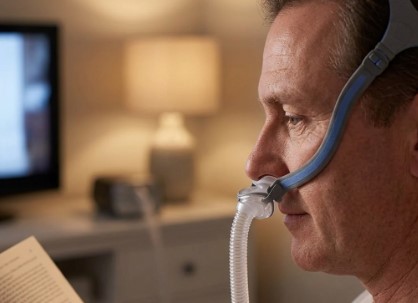
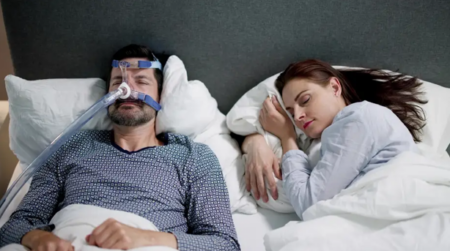
These masks are the smallest options available for CPAP therapy. They do not cover your entire nose or mouth. Instead, they rest gently at the entrance of your nostrils.
Two soft silicone cushions seal against your nasal openings. High pressure air flows directly into your airway through these pillows. A minimal headgear strap holds the lightweight frame in place.
This design offers a great sense of freedom. You can read a book or watch television before falling asleep. The field of vision remains completely clear.
The Benefits of Minimal Design
The biggest advantage of this style is the reduced footprint. Traditional masks cover a large surface area on your face. This can cause skin irritation and a feeling of claustrophobia.
Nasal pillow masks eliminate these common issues:
- Fewer Contact Points: Less material touches your face, reducing skin irritation.
- No Forehead Pads: The design eliminates bulky forehead straps and pressure.
- Clear Line of Sight: You can wear glasses and read easily before bed.
- Less Facial Marking: You wake up without deep red lines on your skin.
Active sleepers also benefit greatly from this lightweight style. Do you toss and turn throughout the night? Large masks often shift out of place when you move. This causes loud air leaks that disrupt your sleep.
The small cushions insert slightly into the nostrils. This creates a secure anchor point. The mask moves with you as you change positions.
Managing Different Pressure Levels
Many patients worry about high pressure settings with small masks. It is a common myth that small designs only work for low pressure. Modern engineering has changed how air flows through these devices.
Newer cushions distribute the air pressure evenly inside the nose. The seal grows stronger as the machine pushes more air. This prevents the mask from blowing off your face at night.
However, the sensation of direct air takes a few days to master. Your nasal passages adapt quickly to the focused stream. If the air feels sharp, talk to your equipment provider. They can help you fine-tune your machine comfort settings.
The Side Sleeper Advantage
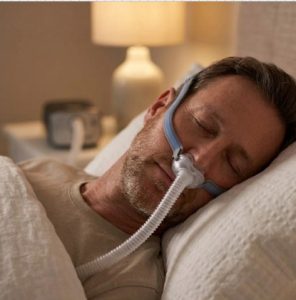
Sleeping on your side is highly recommended for sleep apnea. It keeps your airway open naturally compared to sleeping on your back. Yet, side sleeping presents a major challenge for large CPAP gear.
Standard frames press hard into the pillow when you roll over. This pressure pushes the mask sideways and tears the seal. You wake up to air blowing into your eyes.
The low-profile nature of nasal pillows leaves your cheeks completely free. Your face rests flat against the pillow without touching the frame. You can rest your head at any angle without breaking the seal. This freedom leads to deeper, more continuous sleep cycles.
Perfect for Facial Hair
Beards and mustaches create major challenges for CPAP users. Coarse hair prevents traditional mask cushions from forming a tight seal. Air constantly escapes through the gaps.
Users often tighten their headgear to stop these leaks. This causes pain and skin bruising.
Nasal pillow masks solve this problem completely. They bypass facial hair by sealing directly at the nostril base. You do not have to shave your beard to get effective therapy. The seal remains tight and consistent all night long.
Selecting the Right Fit
Correct sizing is critical for comfort and compliance. Most manufacturers include multiple cushion sizes in one package. You will usually find small, medium, and large pillows in the box.
Test each size before your first full night of use. The pillows should rest comfortably inside the nostril rim. They should not stretch your skin or feel loose.
- Too Small: The cushions will leak air constantly and drop into the nose.
- Too Large: The frame will cause soreness and stretch your nostrils.
- Perfect Fit: The silicone sits flush against the rim without pain.
Take your time to find the perfect match for your anatomy.
Handling Cold Weather and Dry Air
Winter months bring dry air into your bedroom. This cold air can irritate sensitive nasal linings. Because nasal pillows deliver air directly, you might notice dryness faster.
This issue is easy to fix with the right settings. Most modern CPAP machines feature integrated heated humidifiers. You can also use heated tubing to keep the air warm.
The warm moisture prevents nasal congestion and bleeding. It keeps the delicate tissues inside your nose healthy. Proper humidification makes year-round therapy comfortable and easy to sustain.
Maintenance and Cleaning Tips
Clean equipment lasts longer and protects your health. Dirt and facial oils build up on the silicone cushions daily. This buildup degrades the material and breaks down the seal.
Follow this quick daily and weekly routine for the best results:
- Daily Morning Wash: Clean the silicone pillows with warm water and mild soap.
- Daily Air Dry: Place the parts out of direct sunlight to dry completely.
- Weekly Headgear Care: Wash the fabric straps by hand to remove sweat.
- Regular Replacements: Change the cushions every few months for a fresh seal.
Avoid harsh chemicals or alcohol wipes. These products dry out the silicone quickly.
Who Should Avoid This Style?
Nasal pillows are excellent, but they are not for everyone. Do you breathe primarily through your mouth at night? If so, the pressurized air will escape through your open lips. This reduces the quality of your therapy.
You can use a chin strap to keep your mouth closed. However, a full face mask might be a better choice for mouth breathers.
Users with severe nasal allergies or deviated septums may also struggle. If your nose is blocked, you cannot receive the air safely. Always consult your doctor if you have chronic nasal blockages.
Overcoming the Adjustment Period
Starting any CPAP therapy requires patience. The first week is always the hardest part of the journey. Do not give up if the mask feels strange on night one.
Try wearing the gear while watching television during the day. This helps your brain connect the device with a calm state. You will get used to the feeling without the pressure of trying to sleep.
Within two weeks, the routine becomes second nature. Your body will welcome the steady oxygen supply. You will notice a major boost in your daytime energy levels.
Final Thoughts on Sleep Comfort
Do not let an uncomfortable mask ruin your CPAP compliance. Sleep apnea therapy should improve your life, not cause frustration.
If you want a lightweight and open experience, explore the selection at VivAir. Many users find success starting with the ResMed AirFit P10 nasal pillow mask due to its quiet design. Finding the right gear changes everything. You can enjoy quiet, uninterrupted sleep every single night.
Related Reads
Latest Posts




ADVERTISEMENT