



Understanding the Role of Peptides in Overall Health and Wellness
- Updated on: Apr 24, 2026
- 4 min Read

Happy Kumari is a dedicated biotechnologist with a strong academic foundation, holding a Master’s in Biotechnology from Amity University, Noida, and a Master’s in Cancer Research and Precision Oncology from the University of Glasgow. Passionate about advancing healthcare through research, she brings expertise in cancer biology to her work. Previously, Happy contributed as a Patent Associate at Effectual Knowledge Services and also served as a Research Analyst with Maxinov Solutions Private Ltd. She is now contributing as a medical content writer for Diseasefix, where she communicates complex scientific topics with clarity. Her research interests focus on pioneering developments in cancer biology and precision oncology.
- Published on Apr 24, 2026
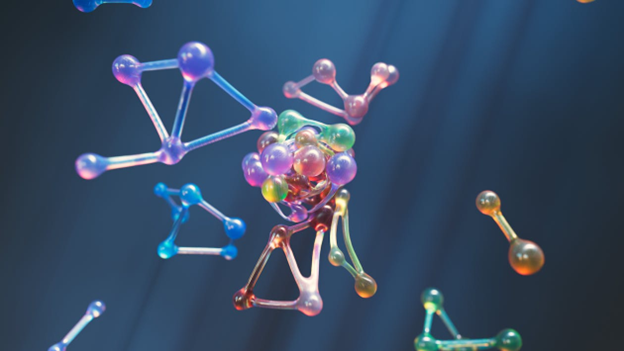
Modern health and wellness are evolving beyond surface-level symptom management. Today, more individuals are looking deeper into how the body functions at a cellular level. This shift reflects a growing awareness that long-term health depends on how effectively the body communicates within itself. Hormones, enzymes, and biochemical signals must remain balanced for optimal performance.
Peptides are gaining attention as essential components in this internal communication network. These small chains of amino acids act as signaling molecules, helping regulate processes such as metabolism, tissue repair, and the immune response. In cities like Denver, where active lifestyles and high-altitude conditions can place additional stress on the body, there is increasing interest in advanced therapies that support recovery and performance. Understanding how peptides function offers a valuable foundation for anyone seeking proactive, long-term wellness.
ADVERTISEMENT
ADVERTISEMENT
Navigating Hormonal and Cellular Balance in Modern Health
Maintaining hormonal and cellular balance requires constant communication between multiple systems in the body. When this communication is clear and efficient, the body can effectively regulate energy, recovery, and overall function. However, daily stress, aging, environmental toxins, and poor nutrition can disrupt these signaling pathways. As these disruptions build over time, they often lead to fatigue, slower recovery, and reduced overall well-being. Many people notice that standard wellness approaches do not fully address these deeper issues.
One such approach is peptide therapy, which focuses on improving cellular communication and restoring balance from within. Because peptides act as signaling molecules, they can help regulate processes that may no longer function efficiently. However, achieving meaningful results requires a personalized strategy based on individual health data. If you are looking for a wellness clinic for peptide therapy in Denver, CO, there are plenty of options available. Working with experienced professionals ensures that treatment plans are tailored to specific biological needs, thereby improving both safety and effectiveness.
The Biological Foundation: What Peptides Are and How They Differ from Proteins
Peptides are short chains of amino acids that serve as building blocks for proteins, but their function is more specialized. While proteins often have structural or enzymatic roles, peptides primarily act as messengers within the body. They bind to specific receptors on cells and trigger targeted responses, allowing for precise regulation of biological processes.
Another key difference lies in their size and efficiency. Because peptides are smaller than proteins, they can be absorbed and utilized more quickly by the body. This allows them to deliver signals faster and more accurately. Their ability to influence processes such as hormone release, inflammation control, and cellular repair highlights their importance in maintaining overall health and supporting targeted therapeutic strategies.
Metabolic Optimization: Supporting Weight Management and Insulin Sensitivity
Metabolic health plays a central role in overall wellness, influencing energy levels, body composition, and disease risk. Peptides can support metabolic optimization by regulating appetite, enhancing fat metabolism, and improving energy utilization.
In addition to weight management, peptides also enhance insulin sensitivity. This helps the body process glucose more efficiently and reduces the likelihood of blood sugar imbalances. By supporting stable metabolic function, peptides may lower the risk of chronic conditions such as type 2 diabetes. When incorporated into a comprehensive health plan, they offer a targeted approach to improving both short-term performance and long-term metabolic resilience.
Tissue Repair and Recovery: Enhancing the Body’s Healing Mechanisms
The body relies on efficient repair processes to recover from injury, physical strain, and daily wear. Peptides such as BPC-157 have been studied for their ability to support tissue regeneration, particularly in muscles, tendons, and ligaments. They promote cellular repair by enhancing blood flow to damaged areas and supporting the formation of new tissue.
In addition, these peptides may help regulate inflammation, which is essential for proper healing. Controlled inflammation supports recovery, while excessive inflammation can delay it. By enhancing the body’s natural repair response, peptides can accelerate recovery and improve physical resilience, especially for individuals with active lifestyles or those recovering from injuries.
Cognitive Function and Neuroprotection: Supporting Brain Health and Focus
Cognitive performance depends on balanced neurotransmitter activity and healthy neural connections. Certain peptides have been shown to support brain function by enhancing neuronal communication. This can lead to improvements in focus, memory retention, and overall mental clarity, especially in individuals experiencing cognitive fatigue.
Peptides may also support brain health by helping reduce oxidative stress and inflammation. These factors contribute to age-related cognitive decline and neurological conditions. Supporting brain health at the cellular level can help maintain long-term cognitive function and promote sustained mental performance throughout different stages of life.
Immune System Modulation: Strengthening Natural Defense Mechanisms
The immune system requires balance to function effectively. Peptides can help regulate immune activity by supporting communication between immune cells and signaling pathways. This allows the body to respond efficiently to infections and external threats without triggering excessive inflammation or immune overreaction.
Some peptides enhance the activity of specific immune cells, thereby improving the body’s ability to detect and respond to pathogens. At the same time, they help maintain immune tolerance, which is important for preventing autoimmune responses.
Anti-Aging and Vitality: Promoting Youthful Energy and Longevity
As the body ages, natural hormone production and cellular repair processes begin to decline. Growth hormone secretagogues are peptides that stimulate the body’s own production of growth hormone, which plays a key role in maintaining muscle mass, energy levels, and tissue repair. This can support a more active and energized lifestyle.
These peptides may also contribute to improved sleep quality, skin health, and overall vitality. By addressing age-related changes at a cellular level, they help support long-term wellness rather than temporary improvements.
Building a Smarter Approach to Long-Term Wellness
Peptides represent a significant advancement in how health and wellness are approached today. By focusing on cellular communication and targeted biological processes, they offer a more precise way to support the body’s natural functions. Their applications extend across metabolism, recovery, cognitive health, and immune support, making them a versatile tool in modern care.
A thoughtful and personalized strategy is essential when incorporating peptides into a wellness plan. With proper guidance, individuals can align these therapies with their specific health goals and biological needs. Prioritizing internal balance and efficient communication within the body can lead to improved performance, greater resilience, and a higher quality of life over time.
Share this article



Latest Posts


ADVERTISEMENT