


Browsing: Women Health

The page provides quick access to a list of common diseases, syndromes, health conditions, and other topics of health importance pertaining to women’s health. The list is organized alphabetically. Links are provided to respective diseases sections that serve as a comprehensive and ultimate guide about the disease or health condition.
A gynecological disorder involves damage or risk to any female reproduction organ, which includes the abdominal and pelvic area, i.e., ovaries, uterus, fallopian tubes, vagina, vulva and breasts. Some of these disorders can even affect the proper functioning of the reproductive system and may create difficulty during pregnancy or child birth.
Healthcare professionals believe that every woman may suffer from one or another type of gynecological condition at some point in their life. In the past few years, the incidence of few gynecological disorders has sternly increased such as endometriosis, uterine fibroids and breast cancer. They have not only affected adult women, but teenage girls also have shown high incidence of certain gynecological diseases.
From puberty till menopause, a woman’s reproductive organs are continuously changing due to sexual activity, pregnancy and aging. These changes occur due to variation in hormonal levels in the body. An injury or a disease can also affect your reproductive system, leading to a gynecological disorder.
Common gynecological disorders include dysmenorrhea, vulvodynia, chronic pelvic pain, breast cancer, polycystic ovary syndrome, endometriosis, uterine fibroids, vaginitis and menstrual cramps.

Did you know that certain medications, such as antidepressants and hormonal medications, can affect your menstrual cycle and decrease your chances of conception? It’s important to talk to your healthcare provider about any medications you are taking and their potential effects on fertility.

Ovulatory disorders can take many forms, from irregular periods to absent periods, and can be caused by a variety of…

It’s essential for pregnant women to understand what symptoms are normal and what symptoms may be a cause for concern.…

Early pregnancy bleeding, including implantation bleeding, can have various causes such as ectopic pregnancy, miscarriage, cervical polyps, and infections. Diagnosis is through physical examination, ultrasound, and blood tests. Management may involve rest, medications, surgery, or supportive care. Early detection and proper management are crucial for the health of the mother and fetus.
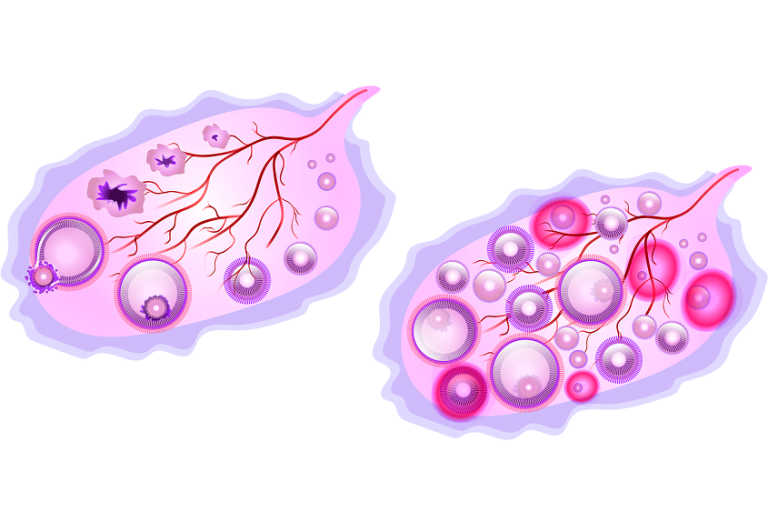
One of the most common myths is that ovulation always occurs on day 14 of the menstrual cycle. In reality, ovulation timing can vary widely depending on factors such as cycle length and hormonal fluctuations. Another myth is that women cannot get pregnant during their period, when in fact, up to 10% of pregnancies can occur when intercourse takes place during menstruation.

Did you know that some alternative therapies, such as acupuncture and meditation, may help reduce the severity of menstrual mood swings? Talk to your healthcare provider before trying any alternative therapies to make sure they are safe and won’t interact with any medications you’re taking.

Research has shown that stress and anxiety can negatively affect fertility, so it is important for couples struggling with infertility to manage their stress levels. Couples can use stress management techniques such as exercise, meditation, and therapy to help reduce their stress levels and improve their chances of conceiving.

Morning sickness is a common condition that affects many pregnant women, but in some cases, it can become severe and may require medical attention. This article highlights the warning signs of severe morning sickness, such as persistent vomiting, weight loss, dehydration, and fainting, and provides information on how to manage the symptoms. Treatment options for severe morning sickness include dietary and lifestyle changes, medications, nutritional support, and psychological support.

This article presents factual information on preconception health and the use of supplements to promote a healthy pregnancy. It outlines the benefits of supplements such as folic acid, iron, vitamin D, and omega-3 fatty acids, including recommended dosages and potential risks. The article stresses the importance of seeking advice from a healthcare provider before starting any new supplement regimen to ensure that the supplements are suitable for individual needs and health status.
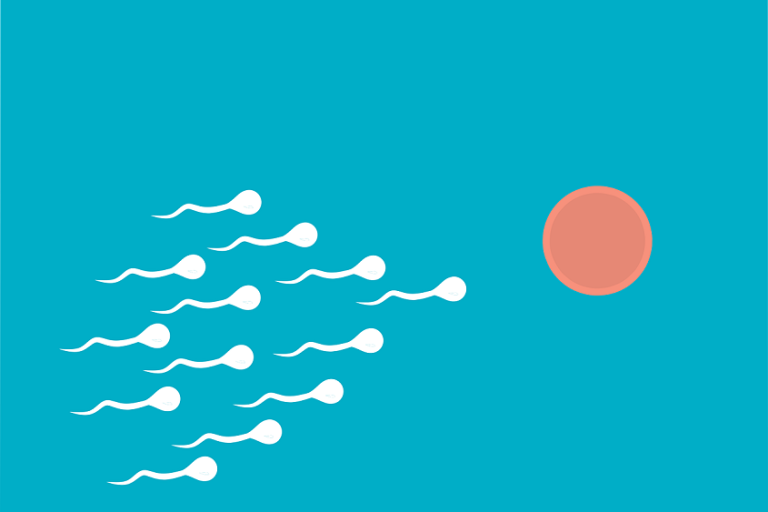
The importance of fertility testing is discussed for couples who face difficulties in conception. The guide covers the timing and procedures for testing, result interpretation, and available treatments. Additionally, FAQs are provided to address common concerns and questions related to fertility testing.
ADVERTISEMENT