
Browsing: Women Health

The page provides quick access to a list of common diseases, syndromes, health conditions, and other topics of health importance pertaining to women’s health. The list is organized alphabetically. Links are provided to respective diseases sections that serve as a comprehensive and ultimate guide about the disease or health condition.
A gynecological disorder involves damage or risk to any female reproduction organ, which includes the abdominal and pelvic area, i.e., ovaries, uterus, fallopian tubes, vagina, vulva and breasts. Some of these disorders can even affect the proper functioning of the reproductive system and may create difficulty during pregnancy or child birth.
Healthcare professionals believe that every woman may suffer from one or another type of gynecological condition at some point in their life. In the past few years, the incidence of few gynecological disorders has sternly increased such as endometriosis, uterine fibroids and breast cancer. They have not only affected adult women, but teenage girls also have shown high incidence of certain gynecological diseases.
From puberty till menopause, a woman’s reproductive organs are continuously changing due to sexual activity, pregnancy and aging. These changes occur due to variation in hormonal levels in the body. An injury or a disease can also affect your reproductive system, leading to a gynecological disorder.
Common gynecological disorders include dysmenorrhea, vulvodynia, chronic pelvic pain, breast cancer, polycystic ovary syndrome, endometriosis, uterine fibroids, vaginitis and menstrual cramps.

Tracking ovulation is critical for women who are trying to conceive or want to avoid pregnancy. There are various methods and tools for tracking ovulation, including smartphone apps, ovulation calendars, charts, and journals. By accurately tracking ovulation, women can take control of their reproductive health and achieve their family planning goals.
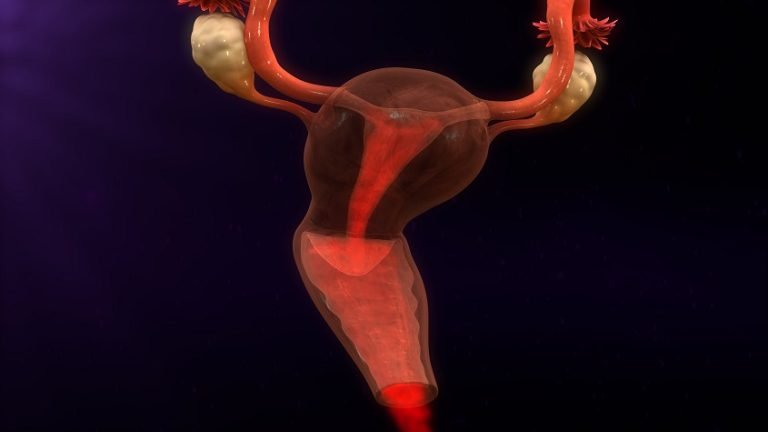
This article covered common period problems, their causes, solutions, self-care tips, signs that indicate medical attention, and the importance of regular check-ups and screenings. The aim is to provide valuable insights and practical tips for women to maintain good reproductive health.
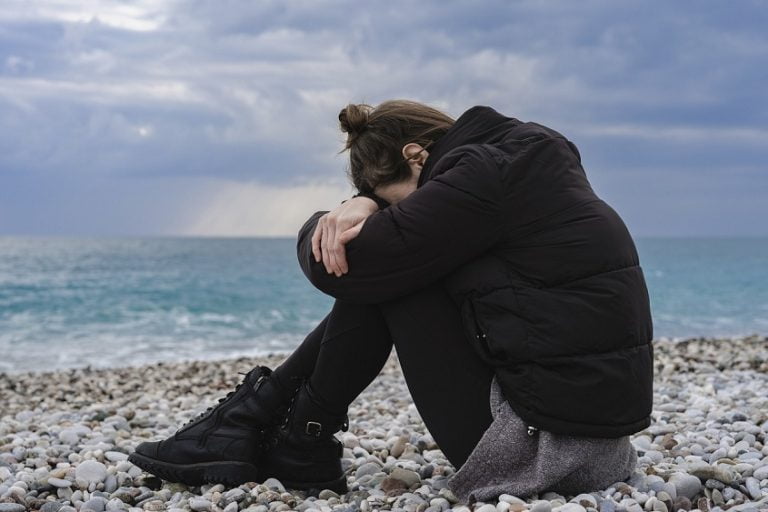
The loss of a pregnancy can be a difficult experience, but preparing for a healthy pregnancy after miscarriage is possible. Coping strategies include emotional support, therapy, and stress reduction techniques. It is essential to prioritize physical health with proper nutrition, exercise, and regular prenatal care. Common concerns about pregnancy after miscarriage include fear of another loss, but discussing these concerns with healthcare providers and loved ones can help ease anxiety.

The article focuses on the topic of timing intercourse for pregnancy and how it works. It explains the fertile window, which is the time during a person’s menstrual cycle when they are most likely to conceive. It also covers other factors that can affect fertility, such as diet, exercise, stress, and lifestyle changes, which can optimize fertility and increase the chances of successful conception.
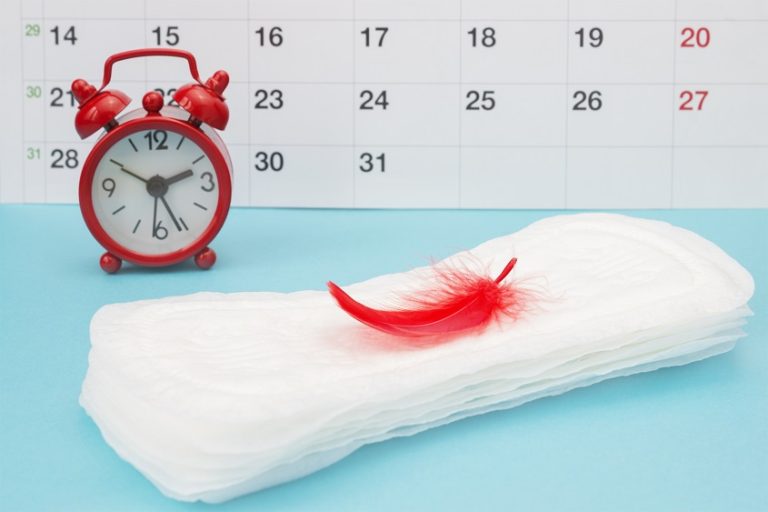
While the average length of a period is three to seven days, changes in menstrual patterns or abnormal bleeding can be a sign of an underlying medical condition. It is important to keep track of menstrual cycles, seek medical attention for any changes, and manage irregular periods through lifestyle changes, medical treatment, or hormonal contraceptives.
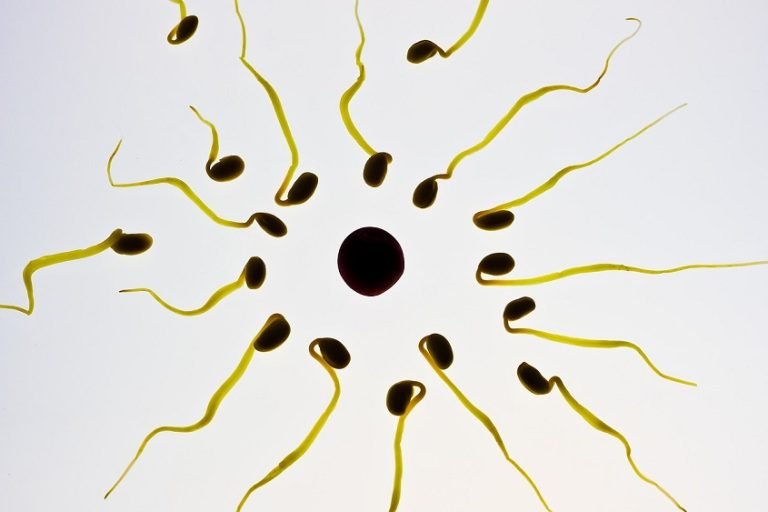
The article discusses various factors that can affect fertility in both men and women. It covers lifestyle choices such as diet, exercise, and substance use, as well as medical conditions that can impact fertility. Age is also discussed as a significant factor in fertility, as fertility declines with age in both men and women. The article emphasizes the importance of understanding these factors and taking steps to optimize fertility, including seeking medical advice and making lifestyle changes.
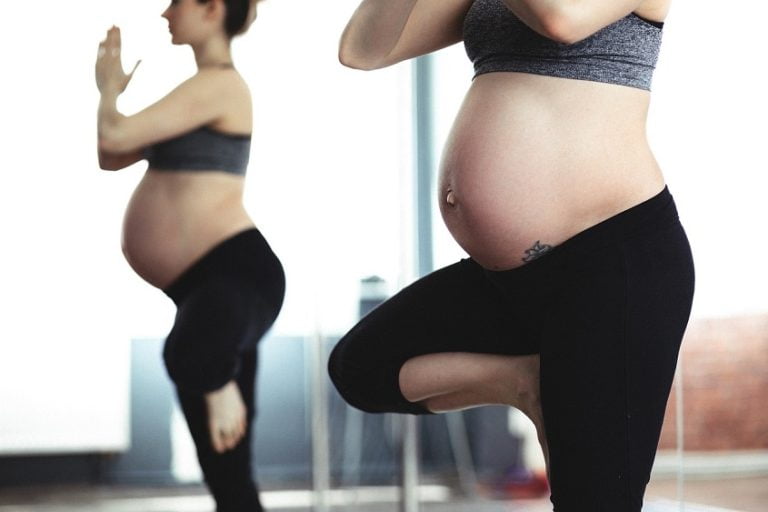
Exercising during pregnancy can be safe and beneficial for both the mother and the baby. Pregnant women should follow certain guidelines to exercise safely, including staying hydrated, wearing appropriate clothing and shoes, avoiding certain exercises and activities, and monitoring their heart rate. Low-impact exercises such as walking, swimming, and prenatal yoga are generally safe, while high-impact exercises and contact sports should be avoided.

This article highlights the early signs of pregnancy, including missed periods, nausea, breast changes, fatigue, and more. It also covers additional symptoms such as cramping, headaches, constipation, and an increased sense of smell. By recognizing these signs and seeking medical care early on, women can enjoy a healthy and happy pregnancy journey.
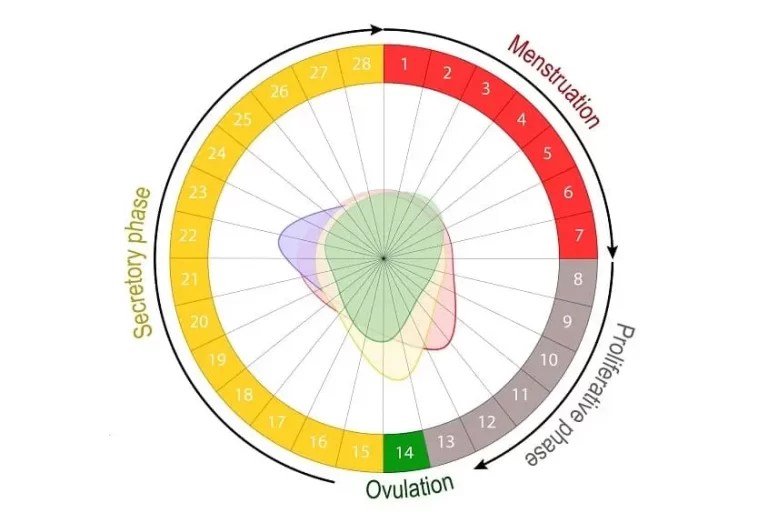
Understanding your ovulation window is essential for women looking to conceive. This article explores various ways to calculate your ovulation window, including tracking your menstrual cycle and using ovulation predictor kits. Other factors that can affect your ovulation window, such as stress and age, are also discussed.

Pregnancy is a critical time for both the mother and the developing fetus. Proper nutrition during pregnancy is essential for a healthy pregnancy, delivery, and a healthy baby. A balanced and nutrient-rich diet can help prevent complications during pregnancy and ensure that both the mother and baby are getting the necessary nutrients for proper development.
ADVERTISEMENT