



Browsing: Brain and Neurological Conditions
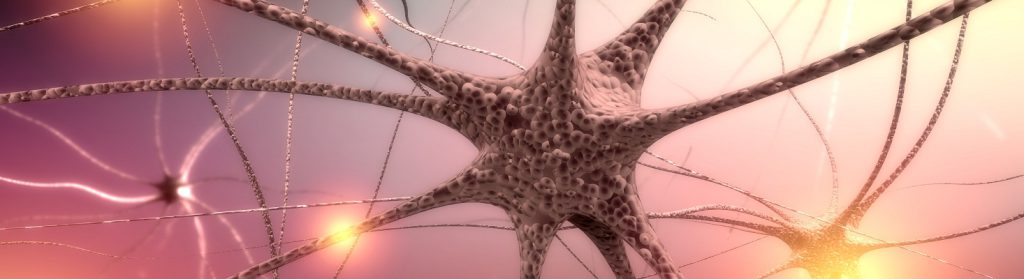
Your brain constitutes the control mechanism of your body. It’s part of your nervous system, which also includes the spinal cord and a large network of nerves and neurons. The nervous system controls everything in your body.
When your brain is damaged or diseased, it can affect your memory, your sensation, your personality, and even your entire quality of life. Nervous system disorders (Nervous system diseases) include any conditions or disabilities or problems that affect your brain or nervous system and comprise brain diseases as well.
Brain and nervous system problems are quite common. These neurological disorders include Alzheimer’s disease, Parkinson’s disease, multiple sclerosis, epilepsy, stroke, depression, autism, etc.
This page provides quick access to a list of common diseases, syndromes, health conditions, and other topics of health importance related to your brain and nervous system. The list is organized alphabetically. Links are provided to respective disease ecosystems that serve as a comprehensive and ultimate guide about the disease or health condition. Keep reading!

After carpel tunnel surgery, your doctor will give a detailed set of instructions to follow for healing of wound and speedy recovery after the surgery. These instructions are listed and discussed briefly in this article. Read the article to know about post surgery care for speedy recovery and how to manage pain.

Stress is a body’s response to physical or emotional demands. Highly stressful events such as loss of a loved one or losing a job can lead to depression. A stressful-situation triggers a feeling which makes it difficult to deal with stress. Everyone in a stressful situation may not develop depression.

Depression is a serious but common form of mental/mood disorder, marked by continuous feeling of sadness, a loss of interest in activities that you normally enjoy, accompanied by inability to carry out daily activities and concentrate, thoughts of self harm and suicide, for at least two weeks.

Alzheimer’s disease leads to loss of brain functions such as memory, language, weird behavior, etc. Pharmacological therapy is a good way to slow down the disease. Vaccines are gaining fame to reduce the effect of Alzheimer’s disease. Future of vaccines is still risky due to some side effects caused by it but trials are underway.

Attention deficit hyperactivity disorder was earlier considered to be a childhood disease. However, people who were never diagnosed as kids can develop more obvious symptoms in adulthood. Adults with ADHD can focus on tasks they find stimulating, interesting or engaging but have difficulty staying focused on boring, unproductive tasks.

Attention deficit hyperactivity disorder (ADHD) is a neuro-developmental disorder characterized by high levels of hyperactivity, impulsivity and lack of attention. ADHD usually affects teens and children and in more than three quarter of cases, the symptoms continue into adulthood.

Aquatic therapy or aqua therapy is a type of physical therapy that involves water and usually takes place in a pool. Aquatic therapy relieves the pressure on the joint which feels weightless. It helps patient to perform movements that would be difficult on land.
The term “cerebral” is associated with brain and the term “palsy” is associated with weakness or problems with body movement. Cerebral Palsy is the most common form of childhood disability affecting movement, muscle tone and posture due to damage to the developing brain before birth or at the time of birth.

The first stage of alcoholism is usually a general experimentation with alcohol. Moderate drinking is not a cause for concern in most adults. But chronic alcohol abuse may lead a person on a dangerous path towards addiction. Read more to know about various stages of alcoholism.
Alcohol withdrawal or alcohol withdrawal syndrome (AWS) is the name for symptoms that occur when a heavy drinker suddenly stops or reduces alcohol intake. A person may experience physical and emotional symptoms such as mild anxiety, fatigue, nausea, hallucinations, and seizures etc.
ADVERTISEMENT